SAP S/4HANA Transition Framework: A Roadmap Guide
Discover seamless SAP S/4HANA transition in this guide. Explore pathways from greenfield to conversion, boosting agility and innovation.

The musical notation (not balok) for the Sundanese folk song "Pileuleuyan" typically features a 4/4 time signature and is often played in the key of D Major. This song is a famous farewell melody from West Java, often performed at graduation ceremonies. Musical Profile Tempo: Moderato (Moderate) or Allegretto (Cheerfully fast).
Superficially, Pileuleuyan fits the format. It is short. The melody is pentatonic (like most kacapi music) and incredibly sticky. It is taught to children. Therefore, the lazy categorization stuck. not balok lagu pileuleuyan
Dalam bahasa Sunda, kata Pileuleuyan berarti "perpisahan" atau "sampai jumpa lagi". Lagu ini menceritakan tentang seseorang yang hendak merantau atau mengembara (ngumbara) dan berkumpul bersama teman-temannya untuk terakhir kali sebelum berangkat. Meskipun bernada sedih karena harus berpisah, lagu ini juga mengandung harapan untuk bisa bertemu kembali di masa depan. Not Balok dan Notasi Lagu The musical notation (not balok) for the Sundanese
Why does one need the not balok version? Because "Pileuleuyan" is not merely a melody; it is a poetic conversation. The rhythm is fluid, often utilizing ketuk 2 or ketuk 4 patterns with a kacapi (zither) and suling (bamboo flute). Without the staff notation, the syncopation and the rests (silence) that give the song its "sighing" effect are lost. At the Mangulung Ceremony: In old agrarian Sunda,
Whether you are a student needing the notation for a school exam, a pianist expanding your world music repertoire, or a Sundanese diaspora member trying to reconnect with your heritage, mastering this not balok is a profound musical journey.

Discover seamless SAP S/4HANA transition in this guide. Explore pathways from greenfield to conversion, boosting agility and innovation.

Learn how to simplify your database migration process with SAP DMO (Database Migration Option) of SUM, and ensure a seamless transition to your new system.
Migrating your SAP system? Whether you’re a beginner or experienced, learn the basics of SAP OS DB migration with ease through our step-by-step guide.

Introduction In the world of enterprise IT, SAP OS/DB migration isn’t just a routine technical upgrade — it’s a career-defining milestone. Whether you’re dealing with a homogeneous migration (same OS and DB) or a heterogeneous migration (different OS or DB), these projects are high-stakes, business-critical,…
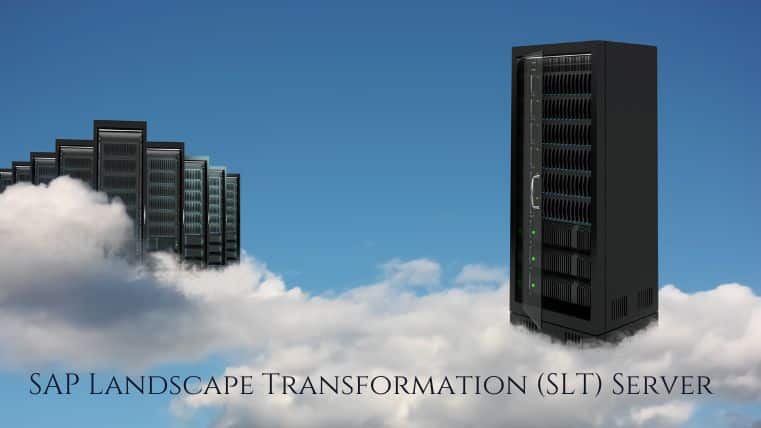
Explore the power of SAP Landscape Transformation (SLT) Replication Server and its role in seamless data replication and transformation within your SAP ecosystem. Learn how SLT enhances data integration and supports efficient business processes.

Discover SAP HANA replication strategies in simple terms. Get practical insights for high availability and data reliability in your digital journey.