This blog post explores the MORPH II dataset, one of the most significant publicly available longitudinal face databases used for age estimation, facial recognition, and forensic research.

: Popular schemes involve balanced subsets, such as 9,600 images equally divided among Black/White Males and Females. How to Access While versions of the dataset exist on platforms like

The MORPH II dataset is the largest publicly available longitudinal face database. It is designed to help researchers understand how facial features change over time due to aging and how those changes affect automated recognition systems.

2. Image Duplication and Near-Duplicates

Without verification, the dataset contains exact duplicates and near-identical images of the same subject at the same time stamp. This leads to data leakage during train/test splits, artificially inflating model accuracy. A model might "recognize" a face not because it learned aging, but because it memorized a duplicate pixel pattern.

Researchers have proposed various schemes to "verify" and improve the dataset's reliability for training, addressing its inherent racial and gender imbalances:

Metadata: Each image is accompanied by metadata including age, gender, race, and sometimes physical parameters like BMI. Verification and Cleaning

Developed by researchers at the University of Notre Dame, specifically under the guidance of Dr. Kevin Bowyer and his team, the Morph II dataset (officially known as the MORPH Album 2) built upon the foundation laid by its predecessor, Morph I. While the initial dataset provided a proof of concept, Morph II was designed for scale and diversity. The data was gathered from historical arrest records, providing a "wild" or uncontrolled environment that is far more challenging—and realistic—than studio-lit datasets.

with labels already provided in CSV format for immediate use in machine learning. Recent "Interesting" Applications Morphing Attack Detection (MAD)

Understanding the MORPH II Dataset: Why "Verified" Matters In the world of facial recognition and biometric research, the MORPH II dataset stands as one of the most critical benchmarks for longitudinal studies. Whether you are developing algorithms for age progression, facial recognition, or demographic estimation, the integrity of your data determines the accuracy of your results.
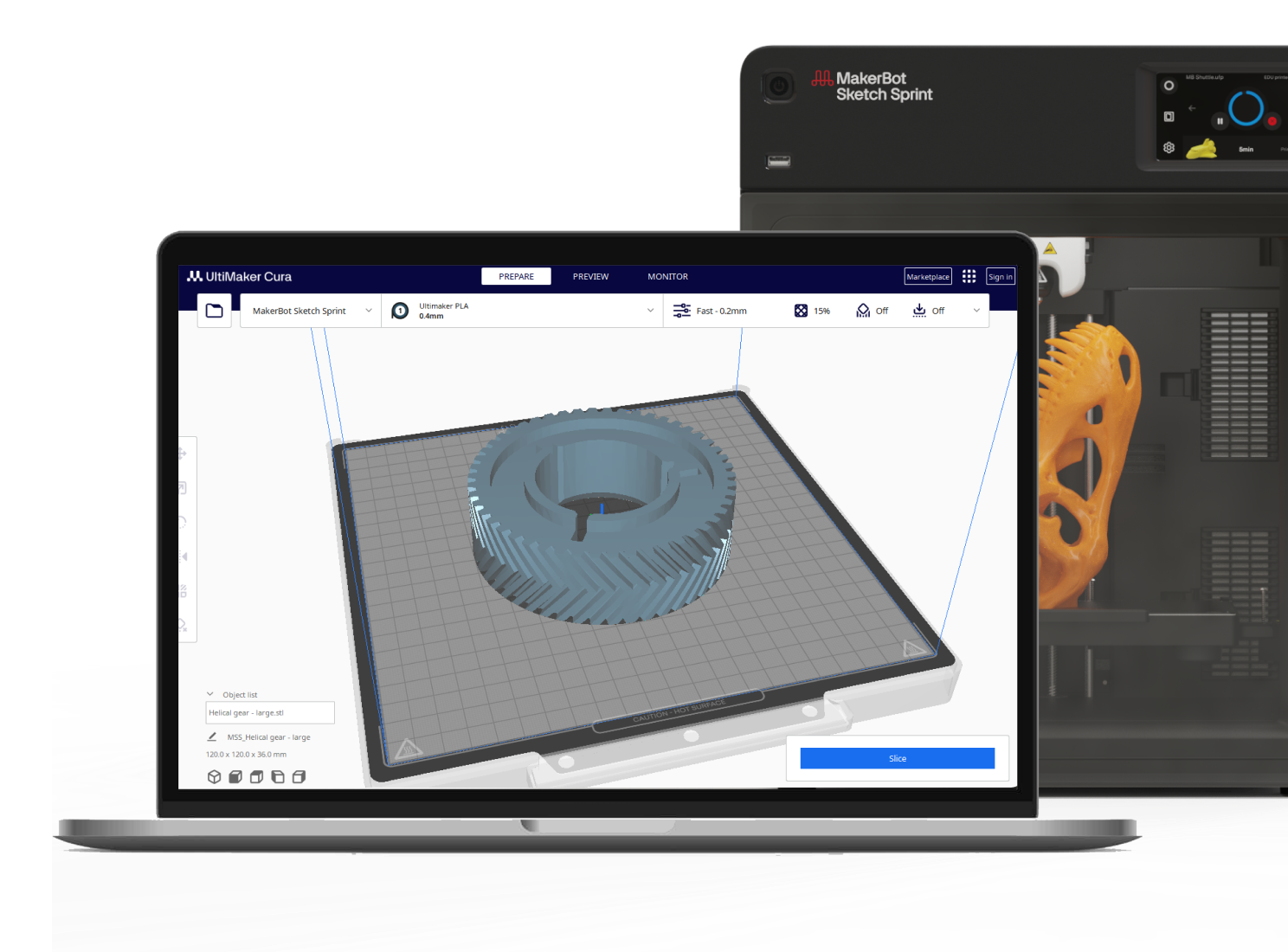
UltiMaker Cura

For advanced users looking to get the most custom control over their 3D printers.

UltiMaker Cura is free, easy-to-use 3D printing software trusted by millions of users. Fine-tune your 3D model with 400+ settings for the best slicing and printing results.

morph ii dataset verified

Free slicing software

Powerful, open-source slicing engine, built through years of expert in-house development and user contributions.

morph ii dataset verified

Seamless Integration with MakerBot & UltiMaker 3D Printers

Cura ensures reliable, high-quality prints while supporting a wide range of materials for diverse educational applications.

morph ii dataset verified

Desktop-based solution

A reliable, distraction-free workflow that supports STEM, design, and engineering education.

Morph Ii Dataset Verified May 2026

This blog post explores the MORPH II dataset, one of the most significant publicly available longitudinal face databases used for age estimation, facial recognition, and forensic research.

: Popular schemes involve balanced subsets, such as 9,600 images equally divided among Black/White Males and Females. How to Access While versions of the dataset exist on platforms like

The MORPH II dataset is the largest publicly available longitudinal face database. It is designed to help researchers understand how facial features change over time due to aging and how those changes affect automated recognition systems. morph ii dataset verified

2. Image Duplication and Near-Duplicates

Without verification, the dataset contains exact duplicates and near-identical images of the same subject at the same time stamp. This leads to data leakage during train/test splits, artificially inflating model accuracy. A model might "recognize" a face not because it learned aging, but because it memorized a duplicate pixel pattern.

Researchers have proposed various schemes to "verify" and improve the dataset's reliability for training, addressing its inherent racial and gender imbalances: This blog post explores the MORPH II dataset

Metadata: Each image is accompanied by metadata including age, gender, race, and sometimes physical parameters like BMI. Verification and Cleaning

Developed by researchers at the University of Notre Dame, specifically under the guidance of Dr. Kevin Bowyer and his team, the Morph II dataset (officially known as the MORPH Album 2) built upon the foundation laid by its predecessor, Morph I. While the initial dataset provided a proof of concept, Morph II was designed for scale and diversity. The data was gathered from historical arrest records, providing a "wild" or uncontrolled environment that is far more challenging—and realistic—than studio-lit datasets. It is designed to help researchers understand how

with labels already provided in CSV format for immediate use in machine learning. Recent "Interesting" Applications Morphing Attack Detection (MAD)

Understanding the MORPH II Dataset: Why "Verified" Matters In the world of facial recognition and biometric research, the MORPH II dataset stands as one of the most critical benchmarks for longitudinal studies. Whether you are developing algorithms for age progression, facial recognition, or demographic estimation, the integrity of your data determines the accuracy of your results.